
Home


Cabeças do Reguengo Quartzo Branco
€25.00
Cabeças do Reguengo Quartzo Branco is an elegant white wine crafted from 10 native grape varieties grown in old vineyards of Serra de São Mamede. Naturally fermented and aged for 15 months in new oak, it exudes refined minerality and a harmonious balance of acidity and texture.


Cabeças do Reguengo Respiro Clarete
€19.00
Cabeças do Reguengo Respiro Clarete is a vibrant field blend of white and red grapes from four centenary vineyards in Serra de São Mamede. Naturally fermented with extended maceration and aged 8 months in oak, this light-bodied, gastronomic wine is perfect for pairing with food and served chilled.


Alpondras
€22.00
These grapes were sourced from a centenary vineyard located 100 meters from the right margin of the Tâmega river in the Trás-os-Montes region, near the town of Vidago. Here the traces of the past are everywhere. A two thousand year old roman bridge crossing the river nearby. Monasteries from the 11th and 12th century as well as traces of history from two hundred years of the Kingdom of the Suebi. A Germanic tribe who controlled Galiza and Northern Portugal (from the 5th to the 7th Century).






Ora Bolas
€16.00
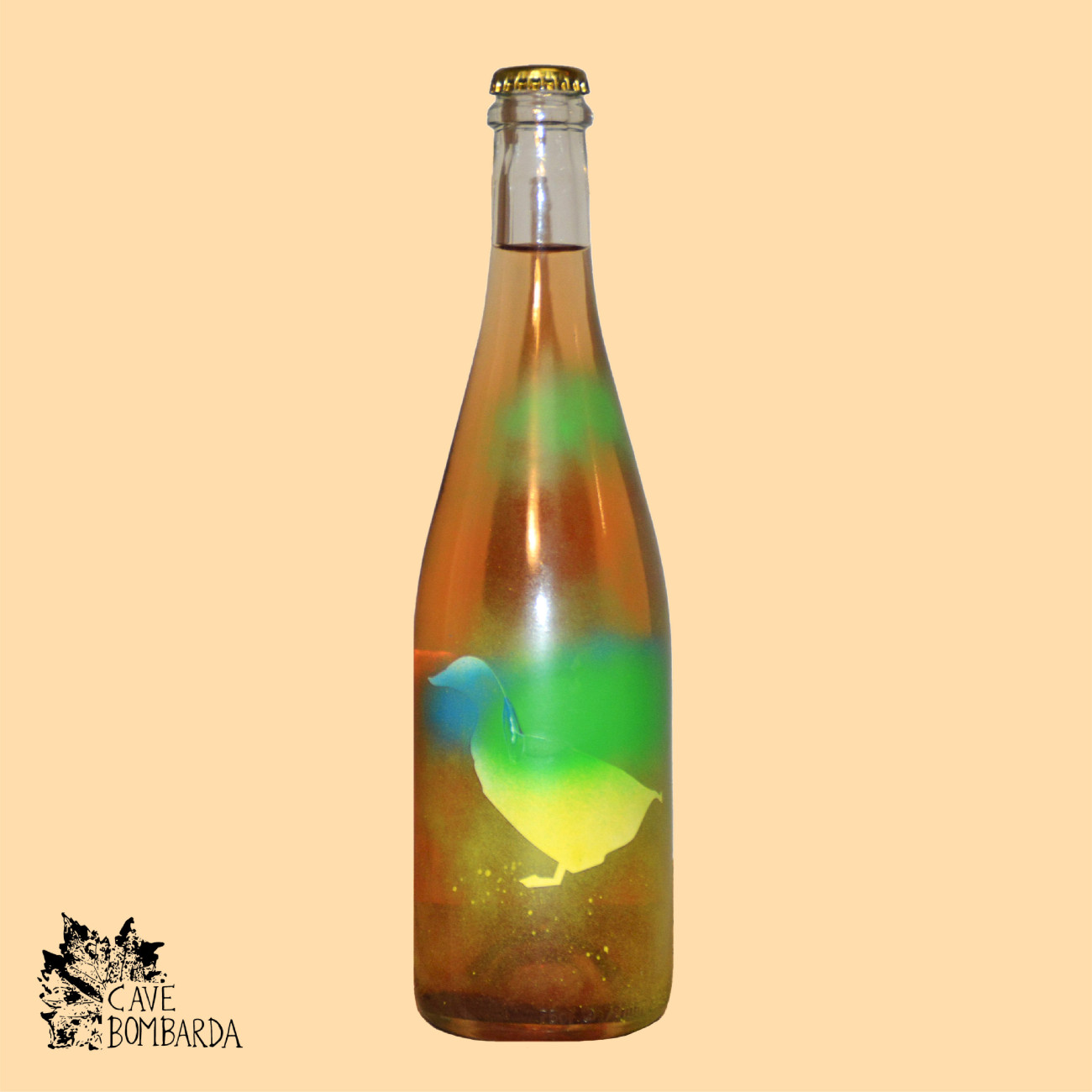
Grapes are harvested by hand and upon arriving in the cellar are destemmed and moved to amphoras (talhas) to start fermentation and maceration. At this point ground chestnut flower is added (500mg per 1000kg) and mixed into the mass. The whole vinification process is very simple with very low intervention. The red grapes and 10% of Arinto had a five day maceration then pressed and moved to an amphora to ferment. The other 20% of Arinto was pressed and the must was moved to a stainless steel tank to ferment at 5ºC. After 27 days at this temperature, the residual sugar of the Arinto reached 17g/l, was then blended with the red wine and bottled for the fermentation to finish in the bottle.
![Divinh[n]o Pet-Nat](https://cavebombarda.com/455-large_default/divinh-n-o-pet-nat.jpg)
![Divinh[n]o Branco](https://cavebombarda.com/456-large_default/divinh-n-o-branco.jpg)


Serra Oca Branco
€19.00
Family-run production with manual harvesting. Total destemming of the bunches without crushing the grapes, maceration and start of fermentation in vats, of the varieties separately and with spontaneous yeasts for 7 days. Fermentation was completed, 50% in used French oak barrels, and 50% in stainless steel tanks, remaining there for 10 months respectively. It was not fined or filtered.
![Divinh[n]o Macerado](https://cavebombarda.com/458-large_default/divinh-n-o-macerado.jpg)

