
Douro
The Douro Valley, Portugal’s historic heart of winemaking, captivates with its dramatic terraced vineyards and celebrated wines. Famous for Port wine and exceptional reds, the region’s steep slopes along the Douro River create a unique terroir influenced by a continental climate. Indigenous grape varieties like Touriga Nacional and Tinta Roriz thrive here, producing wines with bold character and age-worthy complexity. Recognized as the world’s first demarcated wine region, the Douro Valley exemplifies a blend of tradition and modernity.


Rebuscado Maceração Carbónica
€13.00
Young and vibrant red wine, made through carbonic maceration, unfiltered.
70% Touriga Nacional, 30% Touriga Franca, the grapes are set in a vat, without oxygen, for 10 days. Then, pressed, and concluding fermentation in stainless steel, were it ages for 3 months.
Bright ruby color, fresh red berries, and banana, delicate tannins, bright acidity, juicy and a very easy drinking wine.


Protótipo T0 Tinto 2016
€19.00
high altitude vines, of 700mt, with seven traditional Douro grapes, Touriga Nacional, Touriga Franca, Tinta Roriz, Tinta Amarela, Tinto Cão, Tinta Francisca and Bastardo.
Whole bunch foot stomped in granite lagar, spontaneous fermentation, indigenous yeasts, no temperature control, after 2 to 3 months in stainless steel in malolactic fermentation, stages for 18 months in used oak barrels, and ages in bottle before coming out to the market.
Complex, ripe red fruit, spiced notes. polished tannins, and lively acidity, that brings in balance.

Mateus Nicolau de Almeida Trans Douro Express Baixo Corgo
€19.00
Closer to Serra do Marão, is made from a field blend of old vines, in schist soils it ferments and stages for 8 month in cement vessels.
Presents a bright ruby color, expressive aromas of red and black fruits, flowers, pepper and mineral notes.
Light, elegant, vibrant with smooth tannins.

Mateus Nicolau de Almeida Trans Douro Express Douro Superior
€19.00
Located almost at the border with Spain, the dryest and warm area in Douro, its a more structured and fuller body wine, compared to Cima Corgo, or Baixo Corgo, but follows the same recipe, field blend from old vines, spontaneous fermentation and stage for 8 months in cement vessels.
Bright, deep, ruby color, ripe red and black fruits, floral notes, smoke and spices. Bolder body, firm but polished tannins, and fresh minerality to balance out the ripeness.

Uivo Moscatel Galego
€13.00
100% Moscatel Galego, from high altitude vines, in Alijó. Dry, crisp and aromatic, manual harvest from 35 year old vines, in schist and granite soils, from 500 to 700mt high. Whole bunch pressed, fermented spontaneously with wild ye

Uivo Semi
€11.00
Semi is a reference to semi extracted vinification, balancing between old and new vines, a field blend that includes Tinta Barroca and Touriga Franca, in high altitude vines, in Alijó.
Using a gentle extraction method, it squires a bright light ruby color, expressive fresh red fruits and wild berries, and subtle floral notes. Juicy, light and balanced, soft tannins and acidity.


Uivo Pet Nat Branco
€15.50
Made by ancestral method, with a blend of 5 different grapes, Arinto, Bical, Rabigato, Moscatel Galego and Alvarinho, from 500mt to 600mt altitude vines, in Schist and granite soils, in Alijó.
Manual harvest, in the begining of September, and softly pressed, fermented in stainless steel vessels, with wild yeasts, the wine is bottled before it stops fermenting. Goes through degorgement, resulting in a clear and precise sparkling wine.
Yellow straw color, with fine persistent bubbles, fresh aromas of green apple, pear, lemon zest, grapefruit and wild flowers. Dry, lively and crisp, salty and mineral finish.

Uivo Pet Nat Curtido
€16.00
100% Moscatel Galego, the grapes ferment in contact with the skins, for two weeks, the wine is bottled before ending fermentation, to create natural gas, inside the bottle.
Golden color, cloudy, tangerine peel notes, white peach, orange blossom, black tea and slightly spiced.
Dry, fresh and thin bubbles, nicely textured, and soft tannins, live acidity and salty.
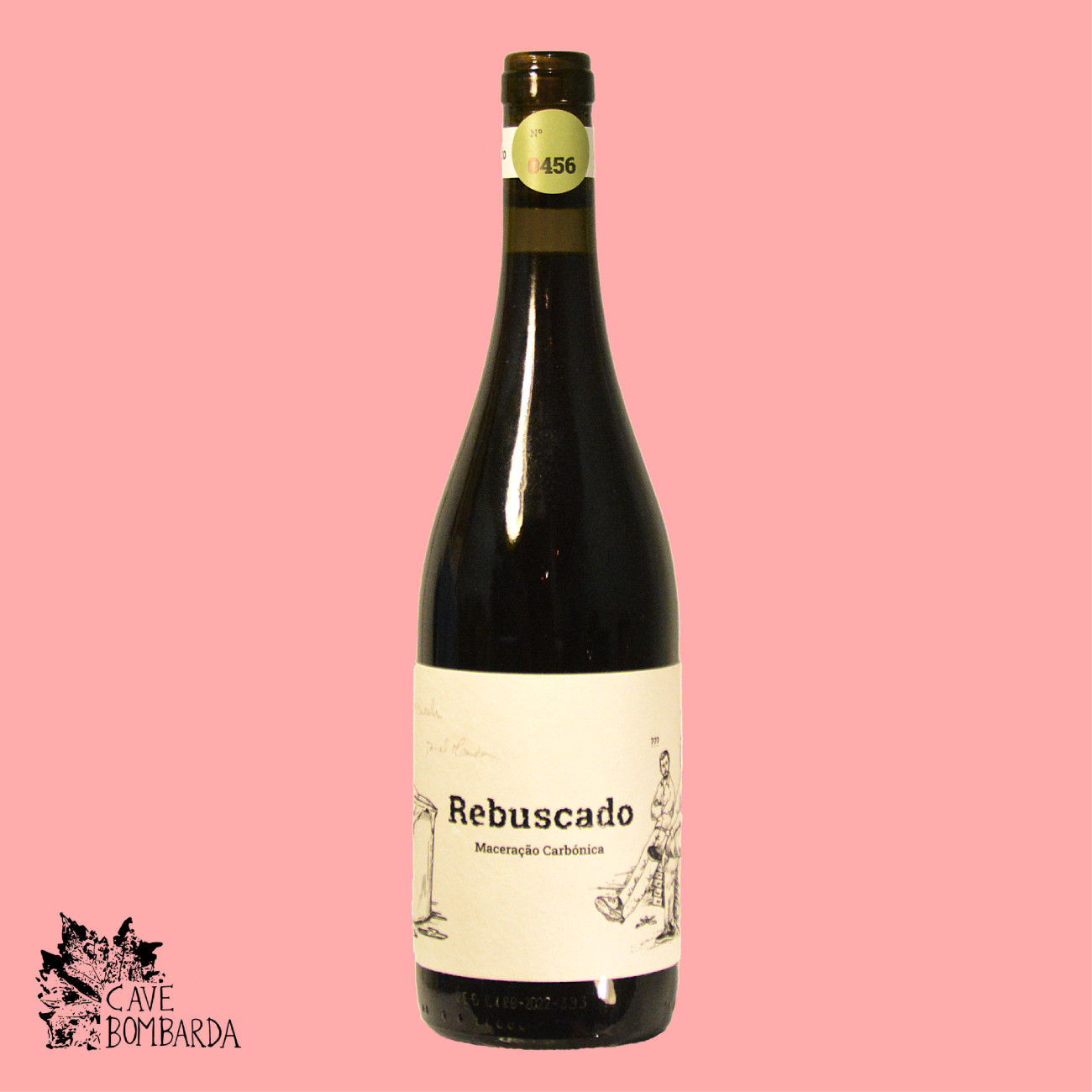
Rebuscado Maceração Carbónica 2022
€12.50
Grapes were destemmed for a dorna, conditions of anaerobiosis were created. These remained in these conditions for 10 days, after these 10 days they were pressed in a vertical press. Finished the fermentation in a stainless steel bowl where it aged for about 3 months.
- Out-of-Stock