Quinta de Tourais Tourónio Branco
Made from Viosinho, Rabigato, Gouveio and Esgana-Cão, a dry wine, fresh, nicely structured, and fruity aromas.
White dry flowers, green apple and tropical fruits, although it presents a sweet aroma, is quite dry.
The Douro Valley, Portugal’s historic heart of winemaking, captivates with its dramatic terraced vineyards and celebrated wines. Famous for Port wine and exceptional reds, the region’s steep slopes along the Douro River create a unique terroir influenced by a continental climate. Indigenous grape varieties like Touriga Nacional and Tinta Roriz thrive here, producing wines with bold character and age-worthy complexity. Recognized as the world’s first demarcated wine region, the Douro Valley exemplifies a blend of tradition and modernity.
Made from Viosinho, Rabigato, Gouveio and Esgana-Cão, a dry wine, fresh, nicely structured, and fruity aromas.
White dry flowers, green apple and tropical fruits, although it presents a sweet aroma, is quite dry.
Three diferent parcels, one grape. It combines three white wines, made exclusive out of Rabigato, all vinified in the same way, but from three different vineyards. From high-altitude vines, 500mt, schist and quartz soils. Foot-stomp of whole bunch, in granit lagar, spontaneous fermentation, and aging for 12 months in cement vessels.
Pale golden color, subtle floral notes, citrus and bone fruits. Dry mouth feel, balanced and salty/mineral finish.
100% Chardonnay, from high altitude vines, 700mt. indigenous yeasts, and unfiltered. a limited micro production, of 950 bottles.
Lively with fresh fruit, crisp acidity, nice tannins, cloudy, apple, citrus and floral notes, unlike many Chardonnays, very mineral.
100% Rabigato, high altitude vines, 350mt, in schist soils, hand harves ted, whole bunchfoot-stomp for three hours, in granit lagar. Spontaneous fermentation, and stage of 12 months, in cement vessels.
Fuller and fruity, delicate peach aromas, apricot, and white flowers, rich, well structured, balanced and mineral.
A traditional batch of red Douro grapes, like Tinta Barroca and Touriga Nacional, with a small batch of Viosinho for freshness and acidity.
Inspired by the Beaujolais style, ferments and ages in stainless steel, and litle skin contact. Bottled after natural decantation, unfiltered and with stabilization.
Bright ruby color, expressive aromas of black and red berries, jam, herbs and earthy notes. Medium body, lively acidity, fine tannins, and a persistent finish.
Grapes vary, according to harvest, from Chardonnay, to Fernão Pires and Moscatel Graúdo. Spontaneous fermentation, in contact with the skins, unfiltered, no collage.
Amber color, intense orange peel, apricot, tea and floral notes. Fresh acidity, smooth tannins, dry ans structured.
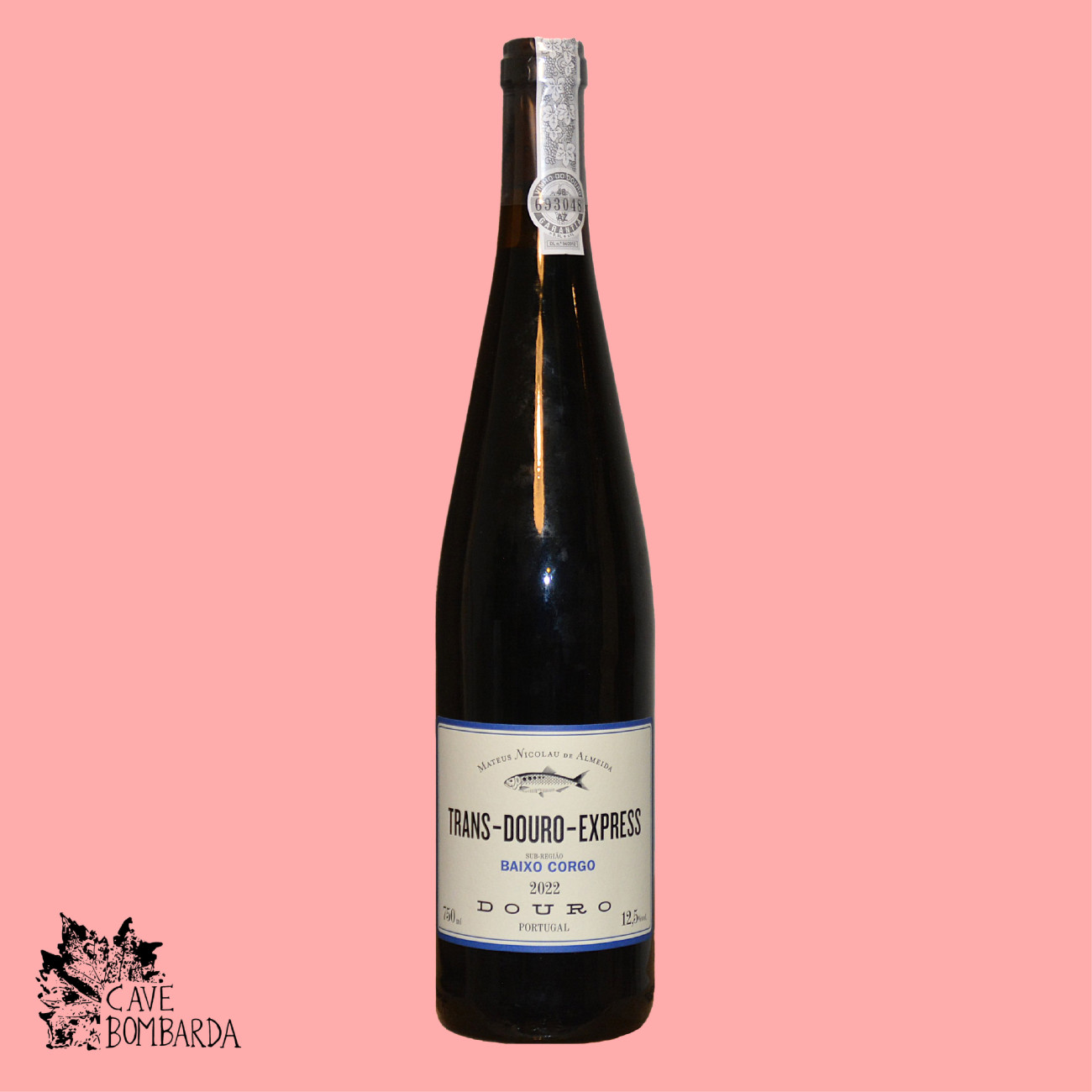
Closer to Serra do Marão, is made from a field blend of old vines, in schist soils it ferments and stages for 8 month in cement vessels.
Presents a bright ruby color, expressive aromas of red and black fruits, flowers, pepper and mineral notes.
Light, elegant, vibrant with smooth tannins.
Vineyard blend in different winemaking styles. Gouveio, Malvasia Fina, Cercial do Douro and Verdelho ferment freely in tanks and barrels, partly through carbonic fermentation. Minerality and salinity, good volume and freshness.
This wine is a co-fermentation of 20% white grapes (mainly Gouveio, Arinto, and Rabigato) and 80% red grapes (mainly Tinta Barroca picked from the coolest spot in the vineyard near a stream and lots of trees), that is done in old granite lagars without any temperature control. After only 4 days, the wine went to a vertical press and then aged in stainless steel tanks over the winter for a gravity-led bottling without any fining or filtration. The resulting wine is low in extraction, low in alcohol, and wildly expressive and aromatic
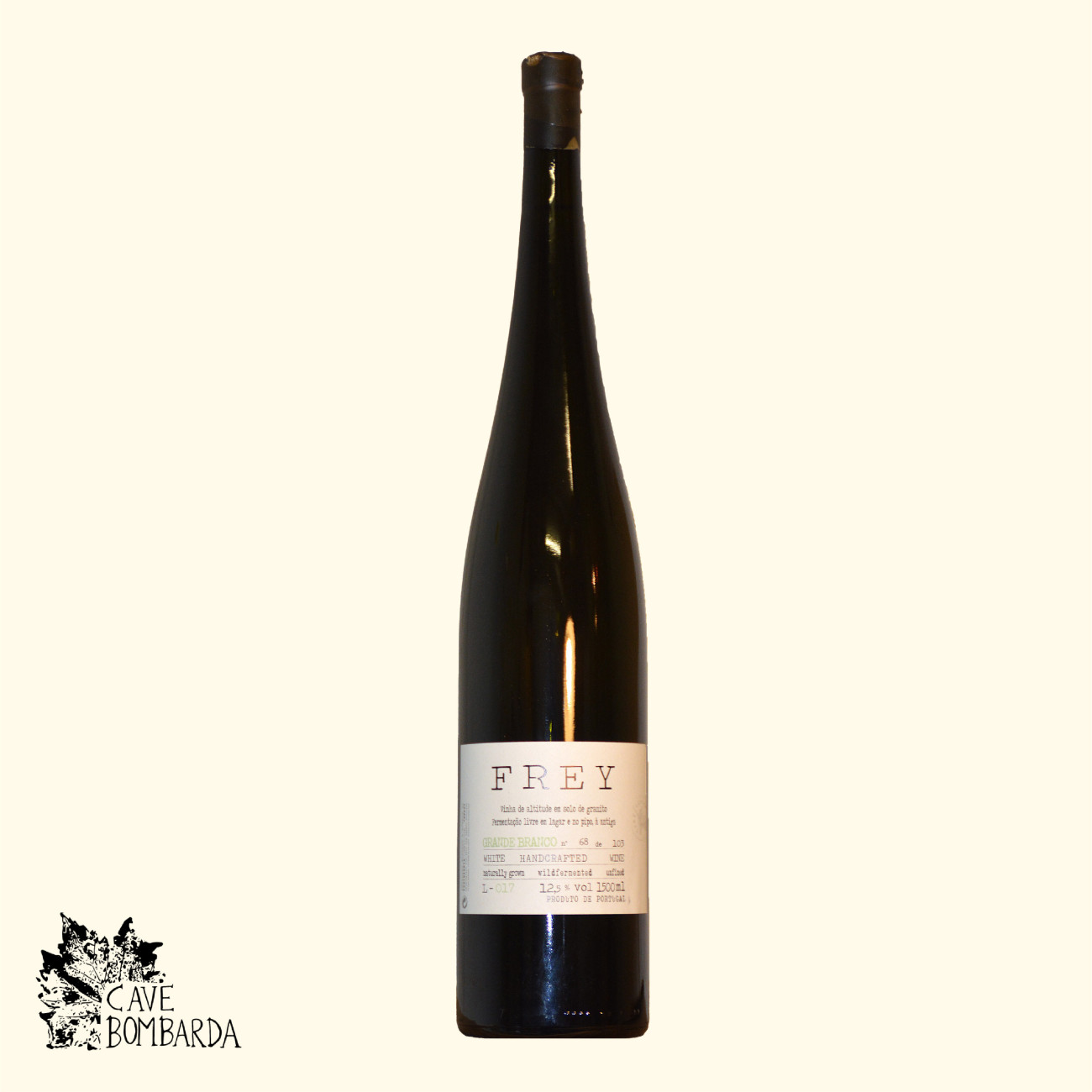
From each vineyard plot, using different winemaking styles. Cercial from the Douro, Malvasia Fina, Gouveio, Verdelho, as well as some Chardonnay and Alvarinho, ferment freely in lagar and neutral barrels. Whole bunches in open vats, with partial maceration. Aged in neutral barrels on good lees. Minerality and salinity, great volume, good crema and freshness.
Located almost at the border with Spain, the dryest and warm area in Douro, its a more structured and fuller body wine, compared to Cima Corgo, or Baixo Corgo, but follows the same recipe, field blend from old vines, spontaneous fermentation and stage for 8 months in cement vessels.
Bright, deep, ruby color, ripe red and black fruits, floral notes, smoke and spices. Bolder body, firm but polished tannins, and fresh minerality to balance out the ripeness.